Growth in action: Huddly women share their stories
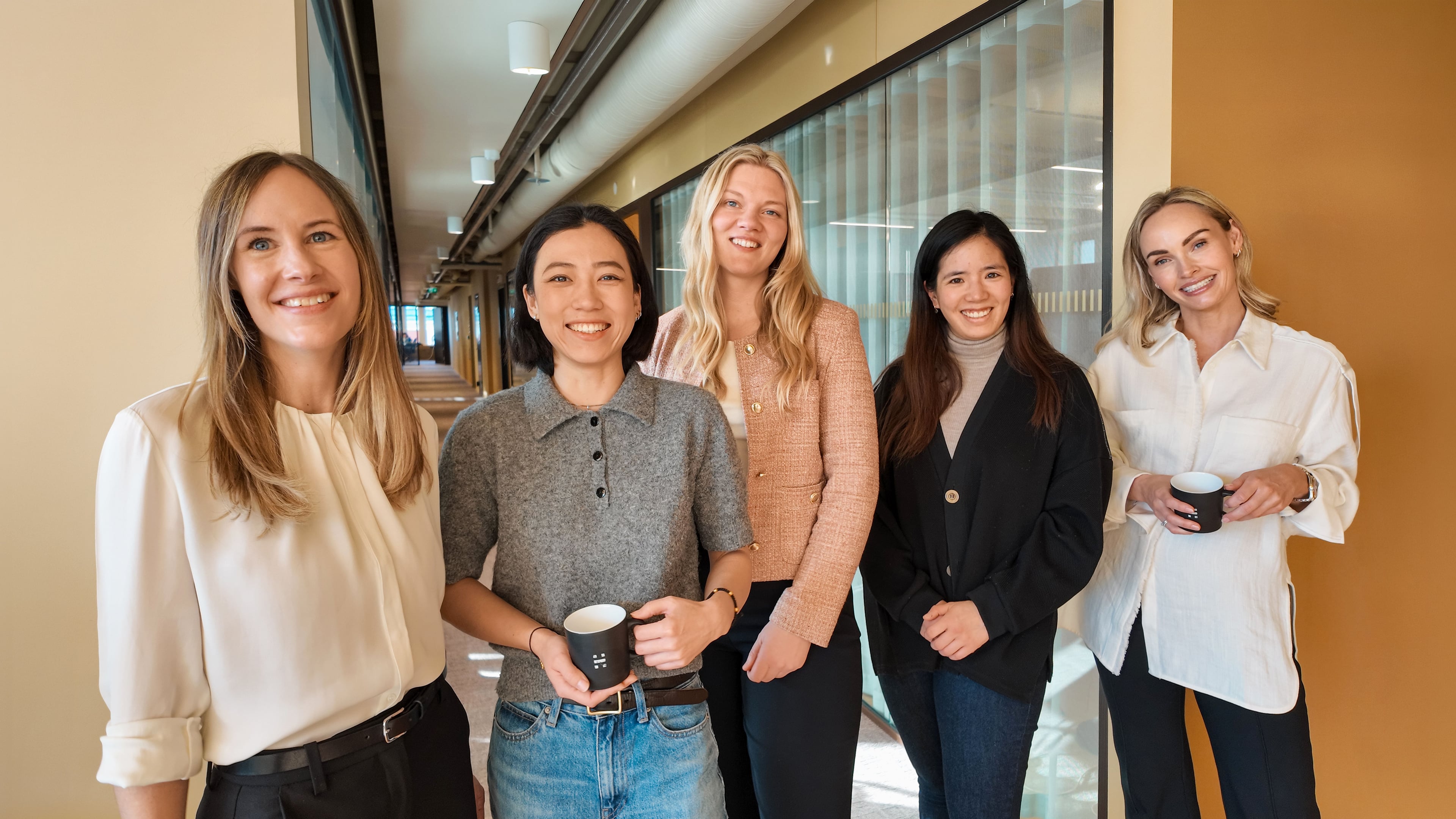
Each March around International Women’s Day, we celebrate the women of Huddly. This year, Xiyu, Caroline, Anne-Elisabeth, Elena, and Ingrid share their stories of growth, exploring what it means to take charge, accept support, and help others grow in return.
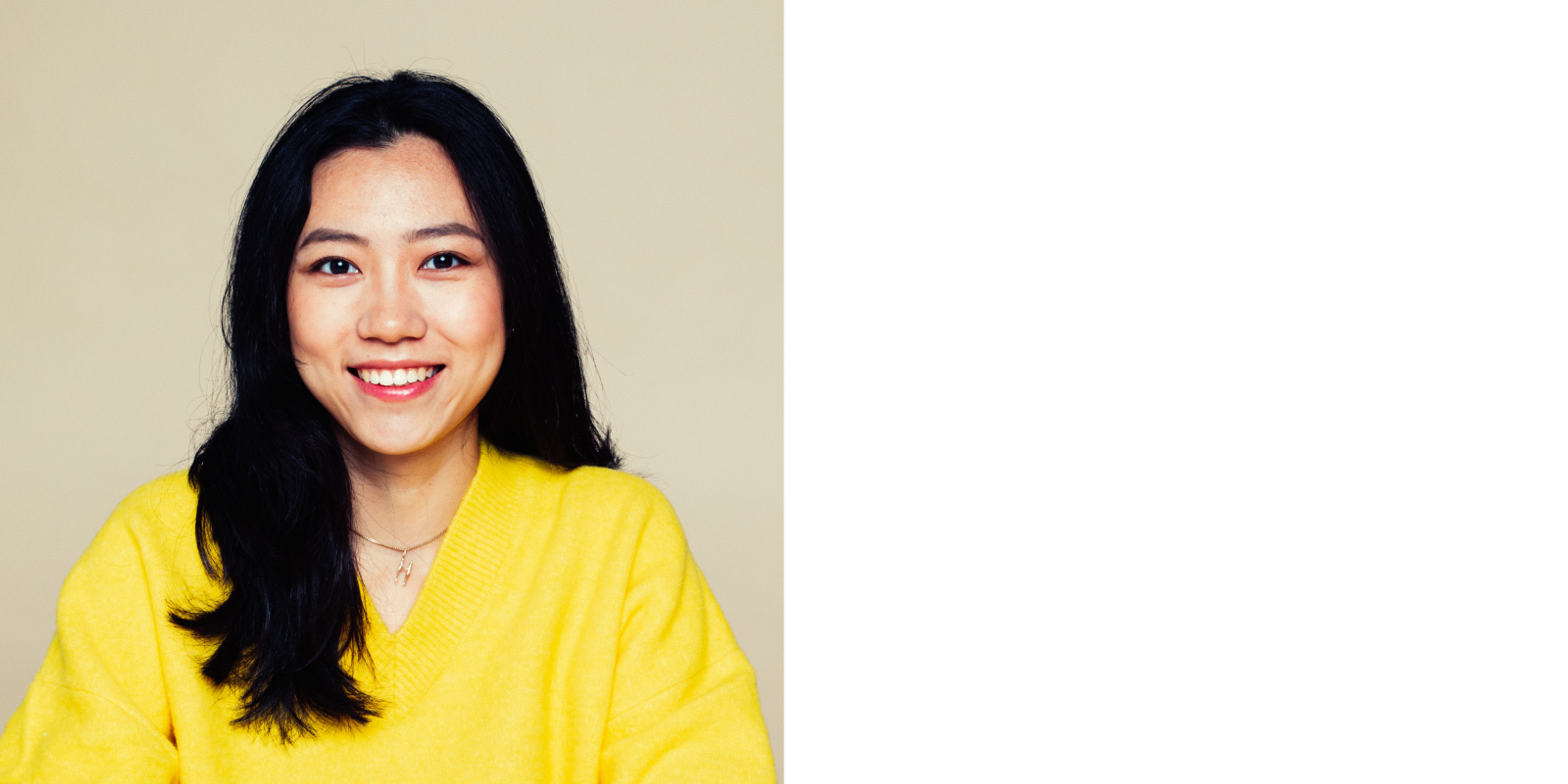
Xiyu Hu, User Experience Designer
For a long time, I found it difficult to use my voice. I grew up in China, which is a very hierarchical society. At home, you listen to your parents, and at work, you follow the boss. Over time, I came to see that as a strength. Especially as a UX designer, being a good listener is essential. You need to get out of the way so you can understand how users think, why something feels difficult to use, and what problem the product is not solving for them.
But living and working in Norway has changed how I think about it. It’s a spectrum, and there are moments when you also have to speak up. The workplace here feels much flatter, and people value your opinions, your concerns, and even your disagreement. So I am learning to find that balance: listening carefully to users and then speaking up in the team to advocate for them.
For that balance to work, people need psychological safety, the kind of environment where they feel comfortable and brave enough to share different opinions. They can say no, disagree, even joke, and be direct and honest with each other. Speaking up can still be uncomfortable for me, but it’s also where important conversations happen.
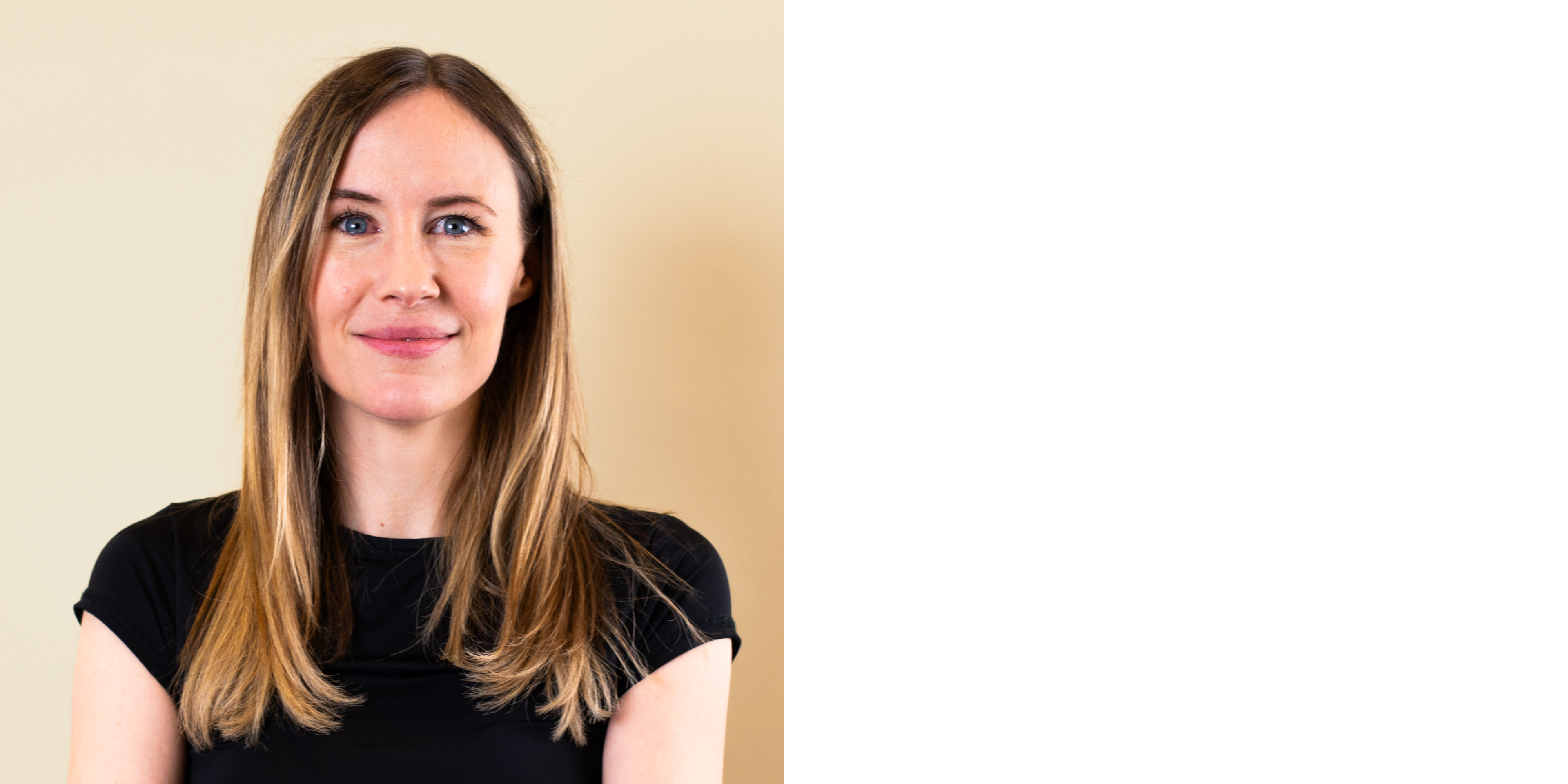
Caroline Larsson, VP Finance
It does not have to be perfect, but I appreciate workplaces that take gender balance into consideration. Research shows that diverse teams, including both men and women, often bring different perspectives and stronger collaboration. That’s certainly been my experience. I’ve worked with colleagues who believed in my potential and helped me grow. And those were men, too. Most men are our greatest supporters.
Am I a feminist? Absolutely. The structural issues are real, and many start early. Now that I’m raising two boys, I’ve become more aware of how much we program our kids in terms of gender roles. We try to make girls tougher and less afraid of taking up space, which is a good thing. But at the same time, we’re still teaching boys to be tough, worried they’ll seem weak if we let them be soft.
In the end, it’s about allowing people to be who they are. The same goes for the workplace. What matters is that you mean it, every day.
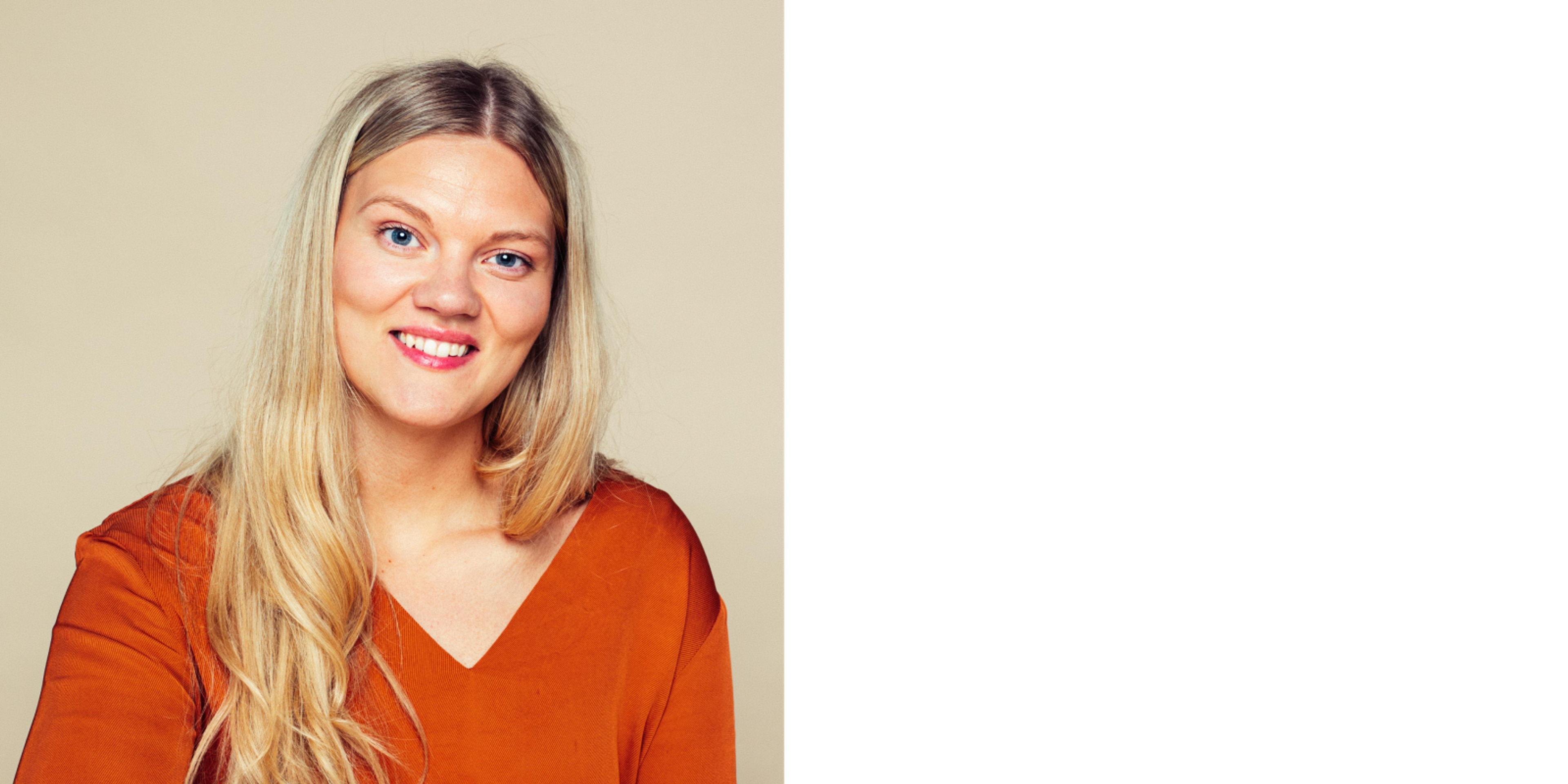
Anne-Elisabeth Brath, Product Manager
I have always enjoyed coordinating cross-functional teamwork and managing projects. Taking a leadership role and bringing people together to solve problems comes naturally to me. It’s the kind of work I seek out to challenge myself and grow, and where I can make the biggest difference.
Having female role models has made a big difference for me. My mom has worked in leadership roles throughout her career, so growing up it never felt unusual to imagine that path for myself.
It still took time, though, before I stopped focusing on the things I struggled with and started recognizing my strengths. Things really clicked for me during an internship at Huddly. The others were stronger technically, but I stepped up to lead the team and organize the work. In the end, that’s what led to me being offered a job. Getting that external confirmation of my skills made me realize I was on the right path.
As women, we can sometimes be overly critical of ourselves. I’ve been trying to adapt a different mindset. My advice would be to find that one thing you know you’re good at. The thing you enjoy. And then own it.
Elena You, Product Manager
You could call it serendipity that I ended up in AI. I joined a small startup working with image detection, just as the technology was starting to take off. My background was in mathematical finance, so a lot felt familiar.
I’m Norwegian with Chinese parents, and they always said that if you can do mathematics, you should study mathematics. In China, boys and girls are encouraged in the same way to pursue whatever leads to stable opportunities, especially in science and technology. It’s not tied to gender. Norway is also quite open in that sense.
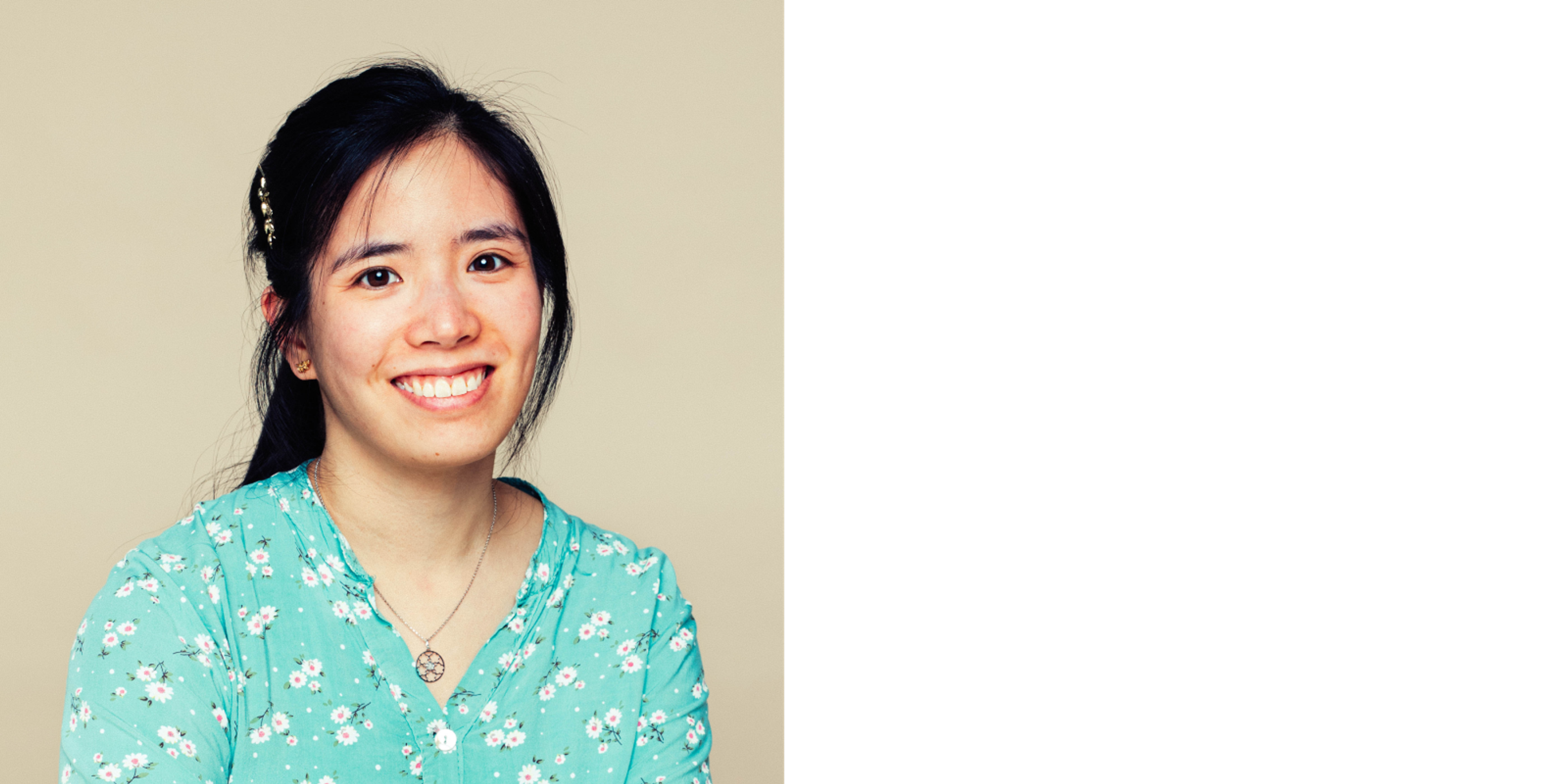
Maybe that’s why I don’t go into new situations assuming anyone’s out to get me. If you expect people around you to be open-minded, most of the time they are. In my experience, most people are willing to give everyone a fair shot. I try to keep this in mind when working with people in our summer internship program and in my new role in product management. Much of the work is about making people feel welcome and included and helping them understand each other’s perspectives.
Ingrid Somdal-Åmodt Vinje, EVP People and IT
I’ve often had a tendency to seek out friction. In my experience, it’s unavoidable if you want to grow. Some of my biggest learning moments came from roles that felt slightly too big at the time, where someone trusted me to figure it out anyway. And most of the time I did. That taught me that growth often happens just outside your comfort zone.
Quite early in my career, I decided I wanted to keep an open mindset. I wanted to say yes to tasks and challenges I didn’t fully know how to solve yet, because there is real value in simply trying. I’m not afraid of failing, as long as I learn from my mistakes.
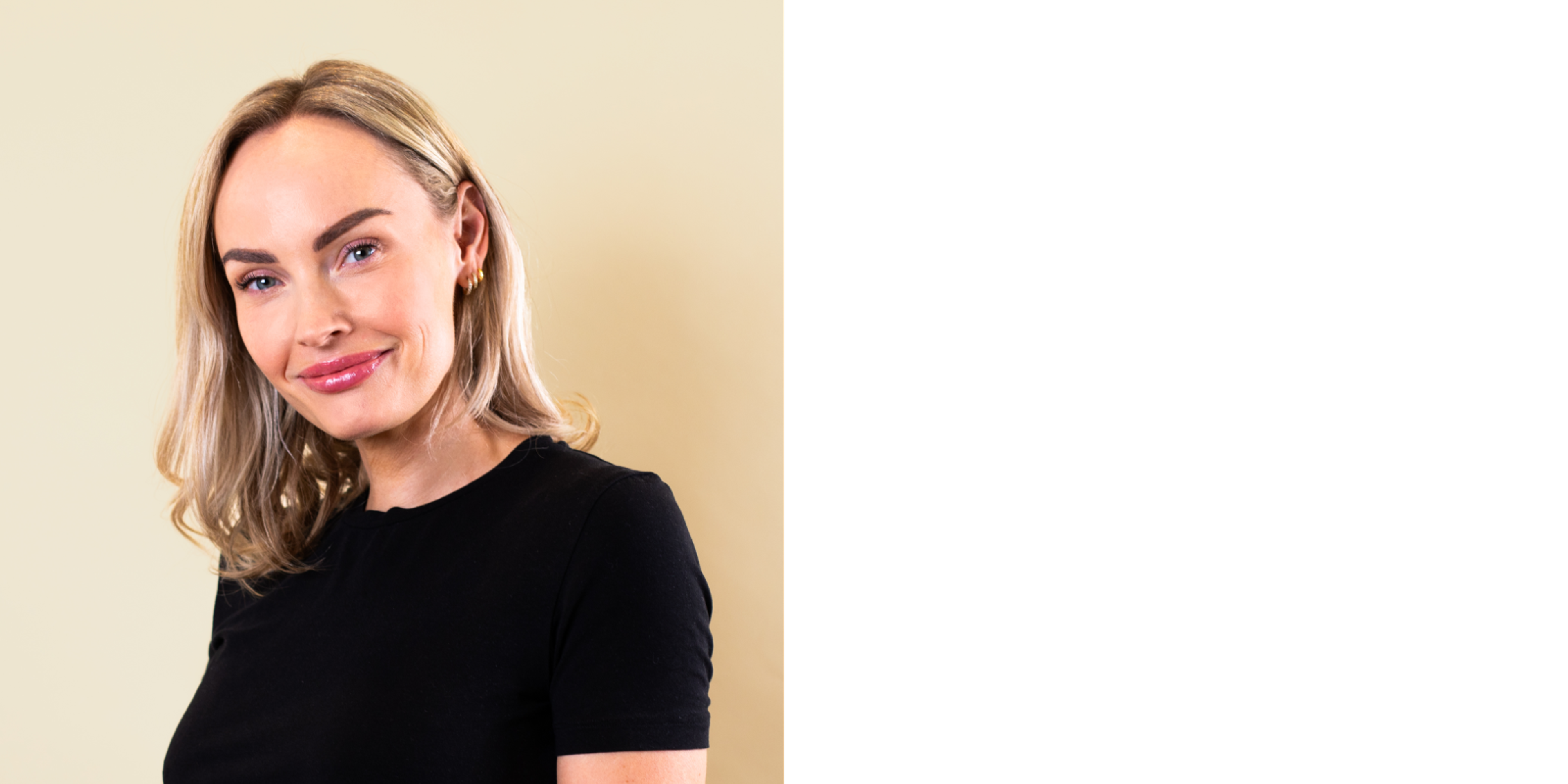
Today, that mindset shapes how I approach my role at Huddly. Inclusion, to me, is when people feel safe contributing even before they feel fully confident. Many careers change when someone sees potential early and says it out loud. As a leader, I see it as part of my responsibility to create those moments for others.